

High-Functioning Depression, Suicide, and the Inflation of Suffering
How high-functioning depression turned ordinary life into proof of suffering—and why suicidal ideation became the most powerful claim of all.

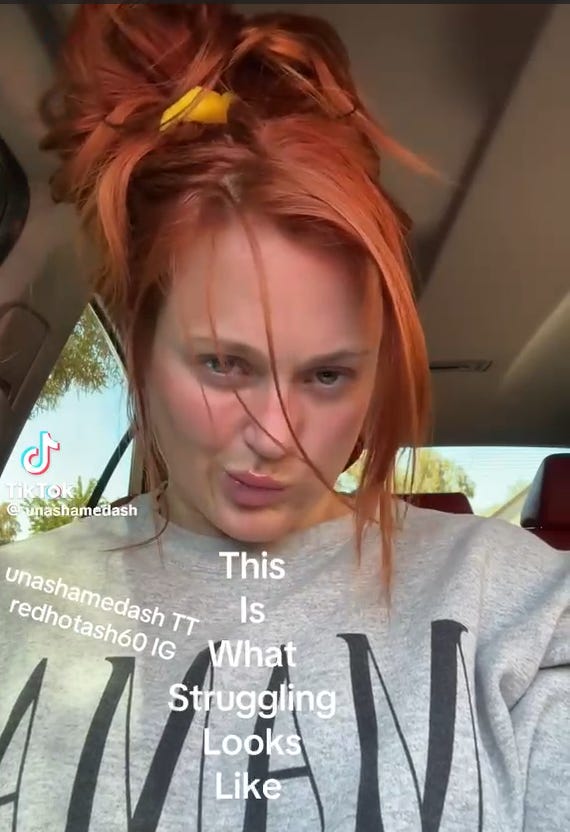
Look at one of the many “high-functioning depression” videos circulating online. A young woman gets dressed, does her makeup, attends an event, goes shopping, plays sport and eats dinner. In other words, she has a normal day. Nothing shown in the video demonstrates a psychiatric disorder or even significant impairment. The meaning comes entirely from the heading placed above it. She is no longer simply getting dressed or meeting a friend; she is doing it despite her depression. Attach an invisible psychiatric struggle to basic adult functioning and an unremarkable Tuesday becomes an act of courage.
The fact that the suffering cannot be seen strengthens rather than weakens the claim: you have no idea what it took for me to look this normal. If she cannot get out of bed, that proves she is depressed. If she gets out of bed, dresses well and maintains an active life, that proves she is “high-functioning” and concealing it. Every possible observation confirms the diagnosis. More importantly, the diagnosis gives ordinary behaviour moral significance. She has not merely gone shopping and eaten dinner; she has survived.
The value of the diagnosis depends on other people recognising the invisible struggle. It turns ordinary functioning into evidence of exceptional endurance and earns the person sympathy, admiration and distinction.
But the inevitable (and completely predictable) problem is that a currency available to almost everyone, and requiring no proof, quickly loses its value. The currency inflates. Logically, the suffering being claimed must become increasingly severe.
How Suicidal Suffering Became Social Currency
This is where the current performance of suicidal suffering enters. What I see increasingly among young people is not only the disclosure of suicidal ideation, but a peculiar pride in the disclosure. In some videos there is a smirk, a pause or a controlled change in expression as the person waits for the statement to land. The anticipated response is that the listener will be stunned into silence and suddenly understand that he is dealing with someone who has suffered at a level beyond ordinary comprehension.
The statement establishes rank. It says: you thought I was simply another teenager complaining about my life, but I have stood close to death. You must now interpret me differently.
This is the psychiatric version of “I’m fourteen and this is deep,” except the culture surrounding it now supplies a much stronger reward. We have spent years teaching young people that suffering confers insight, that victimhood confers moral authority and that the person who has been hurt most should be listened to first. A person who is objectively fortunate, whose life contains no obvious claim to deprivation or persecution, can still acquire this authority through psychopathology. Mental disorder is available to anybody because the qualifying evidence is internal and increasingly self-defined.
An additional reinforcement is that suicide language now has an especially powerful function: institutions are terrified of being accused of ignoring risk. Parents, teachers, employers and clinicians know that if a person invokes suicide and later comes to harm, every decision will be examined retrospectively. The safest immediate response is therefore to remove demands, relax boundaries and comply. A young person learns that saying “I am overwhelmed” may produce sympathy, but saying “this is making me have thoughts of ending it all” freezes everyone in place.
This turns suicide risk into a stick with which a person can beat through the will of everyone around her. Disagreement becomes invalidating and asking for evidence, deadly. Policies are changed, responsibilities are removed and families are reorganised, as we have seen with the transgender trend. All because nobody wants to take the risk of saying no; this is not a mental disorder, this is the ordinary suffering of human life.
At the same time, constant public discussion of suicide is defended as awareness, as though greater exposure to the subject must automatically reduce risk. Suicide does not behave like diabetes or high blood pressure, where awareness campaigns simply encourage people to seek treatment. Suicidal behaviour has a social and imitative component. The way suicide is described, dramatised and circulated can contribute to contagion, particularly among vulnerable adolescents who are already learning their identities from peers and online communities.
The problem is not that suicide must never be discussed. The problem is the confessional and status-laden way in which it is discussed. A disclosure presented as evidence of depth, courage or membership in a special class of survivors can make suicidal thinking more psychologically available to other young people.
Because psychopathology has become social currency, this escalation is logical. If everybody is struggling, and struggling gives status, what becomes the highest rank? Proximity to death itself. Claiming that you nearly died becomes the ultimate participation medal: praise awarded not for what you built, endured, repaired or contributed, but for still being alive.
Why Survival Cannot Become an Identity
This is especially jarring when compared with actual clinical suicidality. The severely suicidal patients I have worked with were not usually advertising their plans for applause. Many concealed them. Shame, guilt, hopelessness and the belief that they had become a burden drove them inward. The suicidal plan was guarded because it represented a private exit, and because disclosure would bring intervention, supervision and loss of that last perceived control over their lives.
What we are seeing is an inversion. In the clinical presentation, the person often hides suicidal intent because she wants to die without being stopped. In the performative presentation, suicidal language is made public because the reaction is the point. It becomes virtue signalling and leverage to move the world into compliance.
To reverse this, we should recognize that removing the stigma around suicide clearly failed at protecting people against it. The American suicide rate among ten-to-twenty-four-year-olds rose by 62 percent between 2007 and 2021, while surveys of high-school students also recorded decade-long increases in suicidal thoughts, plans and reported attempts.
That stigma functioned, in part, as a guardrail. The shame was about protection, not cruelty. It tethered people to life by making them consider the consequences of their actions on those they would leave behind.
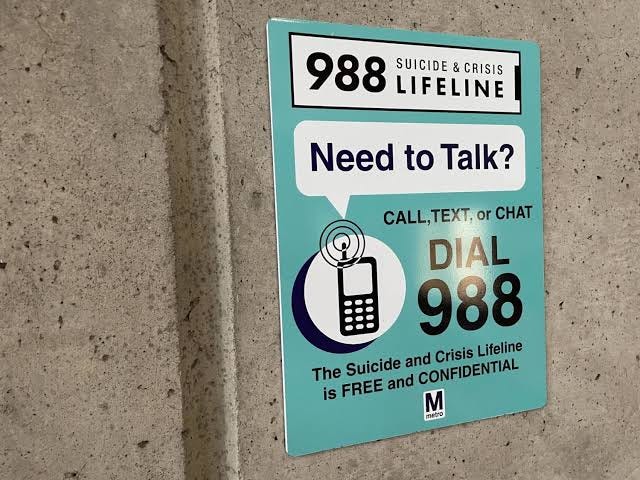
Most importantly, it’s a disservice to treat survival itself as an achievement worthy of ongoing recognition. Recovery cannot consist of building an identity around being praised for enduring. It requires expecting more from people, not less—encouraging them to respect themselves by aiming higher and by taking responsibility for their lives. Those three messages: Proximity to death is not virtuous, you do not get a participation medal for existing, and you are capable of achieving more, is a better kit for thriving than campaigns for suicidal hotlines.
This has become a life hack for unexceptional people to get the attention they crave. Why be exceptional or resilient when you can just be oppressed by life? Both paths will give you attention but one is a lot more work.
You are spot on, Hannah. “Depression” and “suicidality” have been weaponised as means of controlling others, mostly parents, partners, teachers and members of the caring professions.